Utilities in GMP Operations: Why They Determine Quality

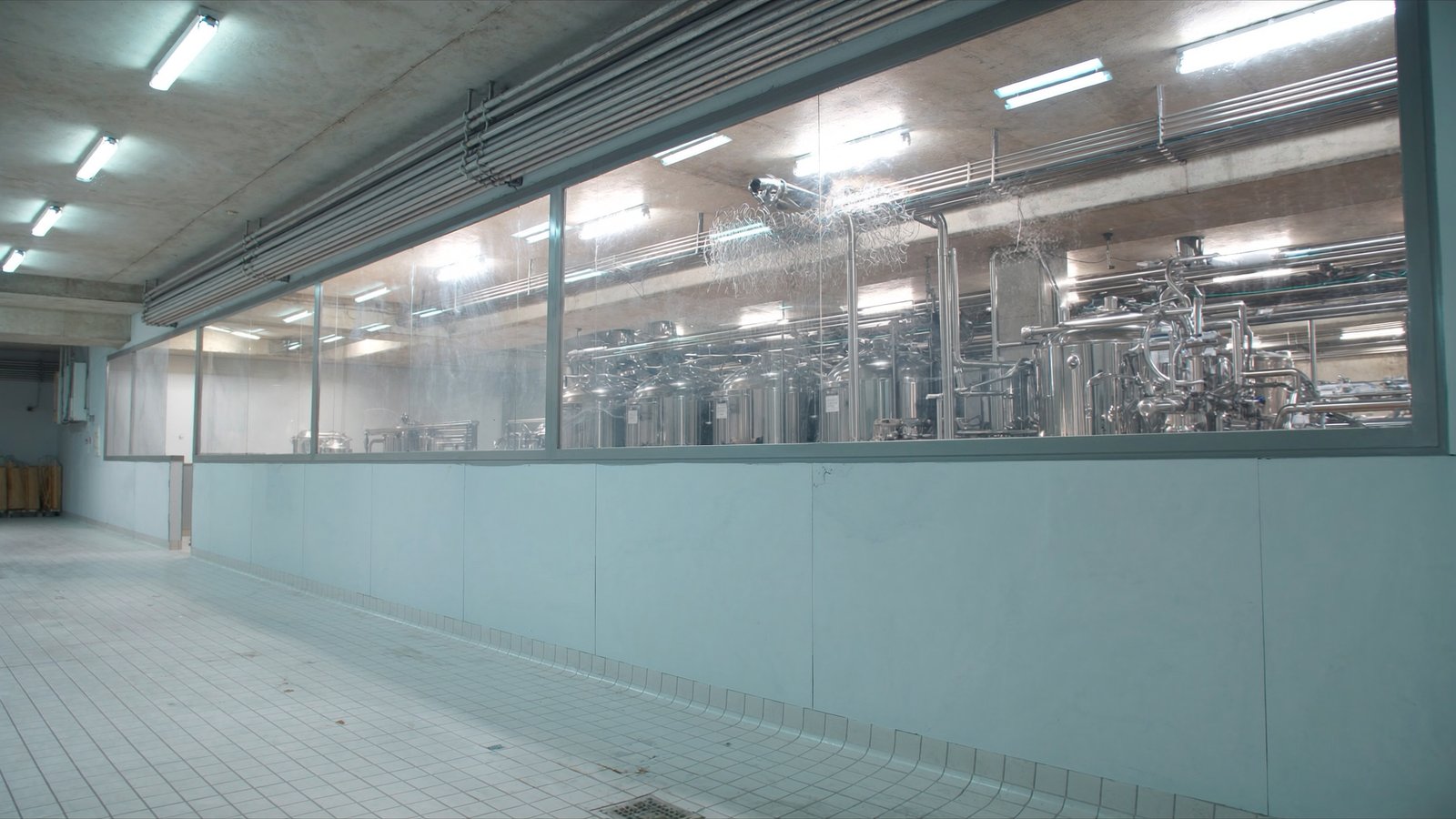
When people talk about GMP, many think of the process itself. Yet the media and supply systems, the utilities, help determine product quality behind the scenes. If something here fails or drifts off, the entire production is affected.
The critical media
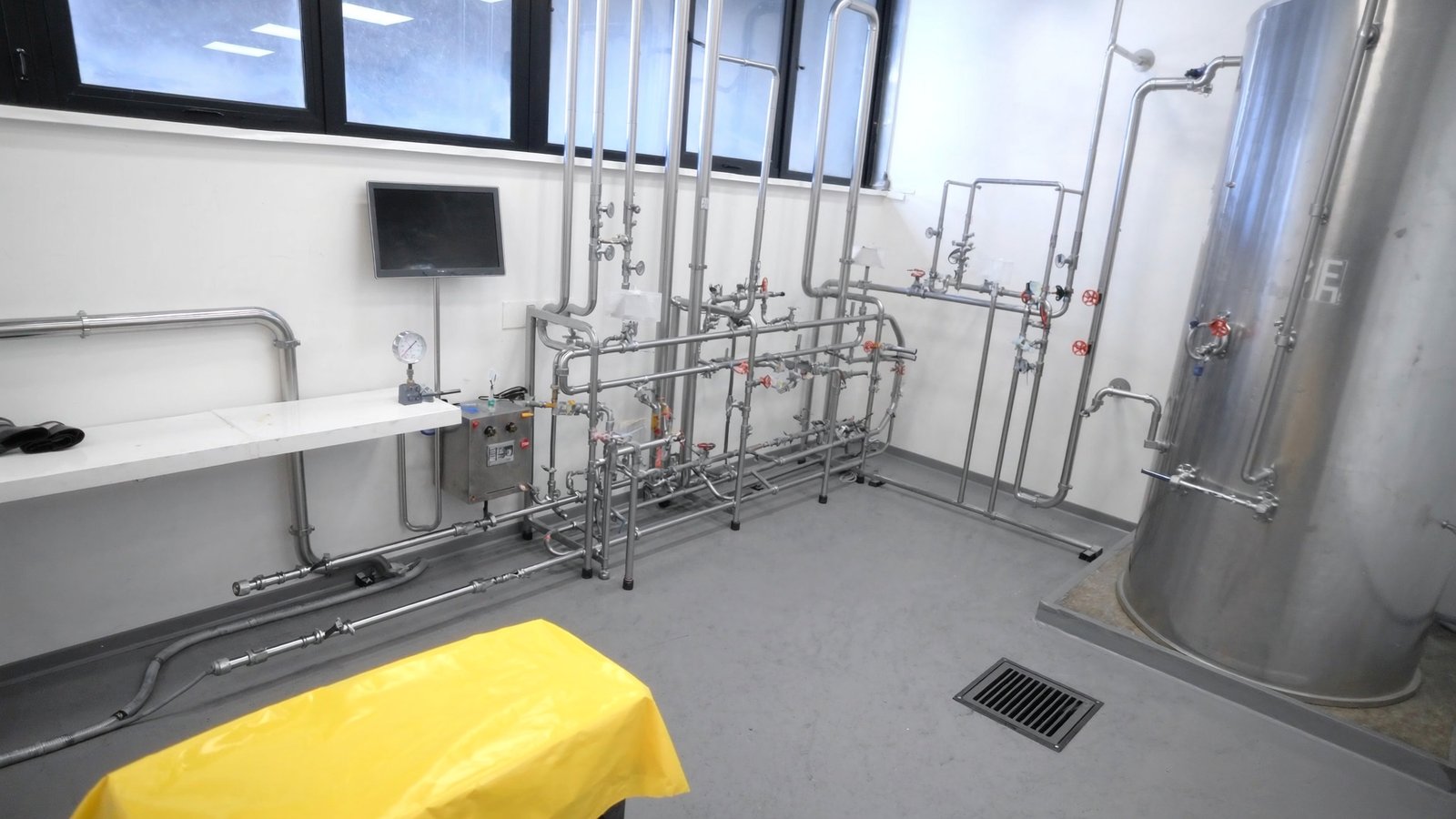
- Water (PW/WFI): monitored microbiologically and chemically, with qualified generation and distribution.
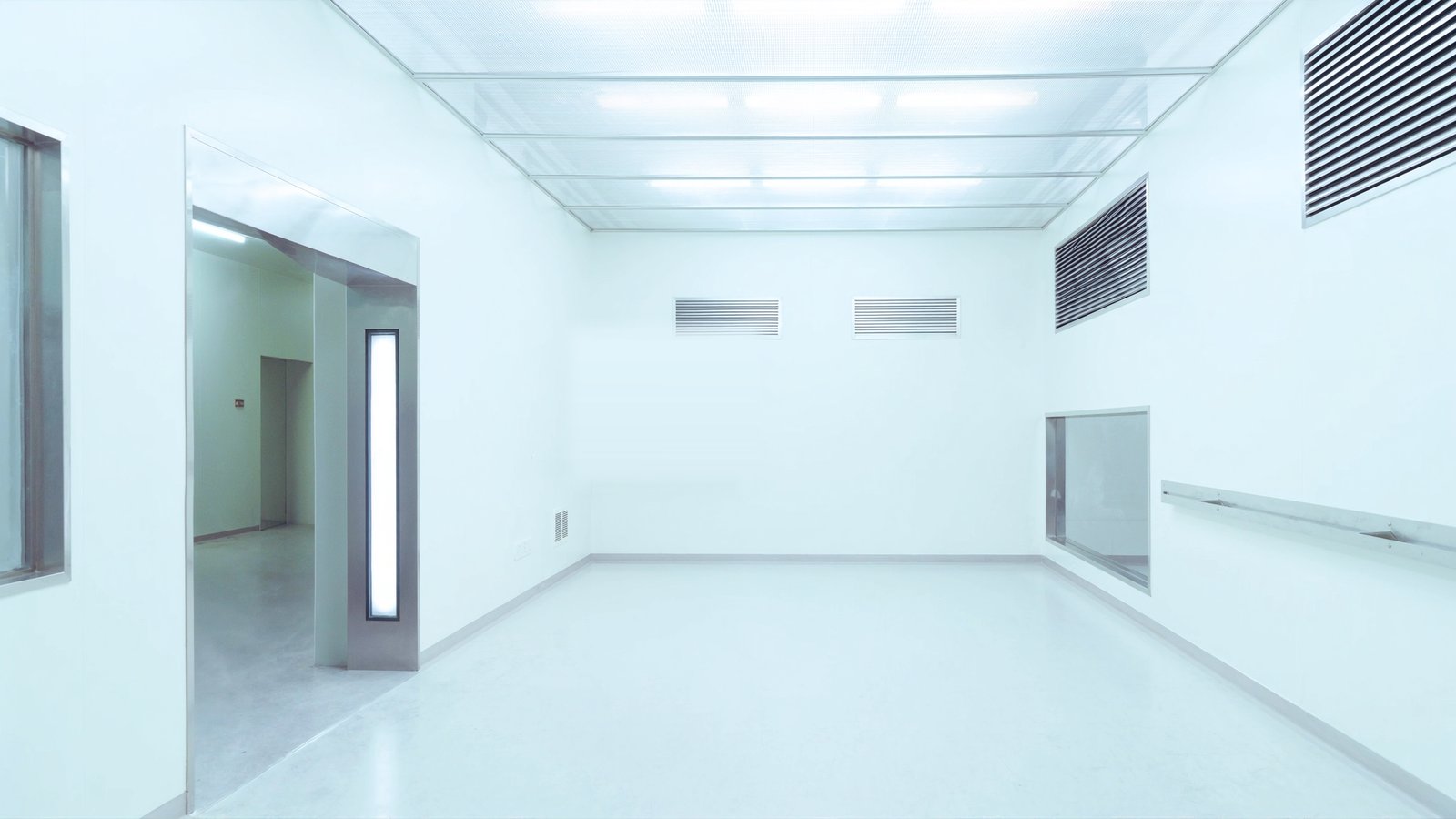
- Cleanroom air (HVAC): classification, pressure cascades and recovery times demonstrated.
- Compressed gases and process media: quality ensured at the point of use.
Qualification and continuous monitoring
Utilities are not qualified once and then forgotten. They call for ongoing monitoring with trending, because deviations often announce themselves slowly. A drifting TOC value or a creeping microbial contamination in the distribution system can be detected early if you keep the right parameters in view.
Utilities are rarely in the spotlight, until they fail.
Thinking close to operations
With utilities in particular, closeness to operations pays off: those who know the plant in ongoing GMP operation spot weaknesses before they turn into deviations. That is precisely our approach in operational plant engineering.
Qualifying water systems in three phases
Water systems for PW and WFI are usually qualified in three phases after commissioning. In the first two phases, intensive sampling is carried out over several weeks each, initially at all points of use, in order to demonstrate stable generation, storage and distribution.
The third phase accompanies routine operation over a full annual cycle. Only in this way can seasonal influences be captured, such as fluctuating feedwater quality or temperature effects in the loop system. The sampling programme is gradually reduced to the routine scope without losing its informative value.
It is important to define the acceptance criteria for chemical and microbiological parameters before the start and to ensure the traceability of the analytics. Only then does the qualification support the subsequent release of the system.
Typical weaknesses in ongoing operation
- Dead legs and areas with insufficient flow promote biofilm and microbial contamination in the distribution system.
- Extended sanitisation intervals or lowered temperatures gradually increase the microbiological risk.
- Rouging in stainless steel systems goes unnoticed when regular inspections are missing.
- With cleanroom air, pressure cascades drift when filter loading and air flow rates are not readjusted.
- With compressed gases, the evidence at the point of use is missing, for example on filter integrity and dew point.
- Sensors for TOC, conductivity or differential pressure lose their evidential value without regular calibration.
Systematic alarm and action limits
Effective monitoring thrives on sensibly set limits. Action limits should lie well before the specification limit so that countermeasures take effect before product quality is affected. Warning limits serve early trend detection.
The derivation of these limits is risk-based in the sense of ICH Q9 and relies on the historical data of the respective system, not on blanket specifications. A slowly rising TOC value or a migrating microbial count thus becomes visible as a trend, long before a limit is exceeded.
What is decisive is the consistent handling of results outside expectation: Out-of-Trend and Out-of-Specification results are documented, assessed and translated into measures. This keeps the monitoring audit-proof and delivers a traceable story in the audit rather than loose individual values.
Abdel R. Majadi, founder and Engineering Lead of Vispact GmbH: more than ten years of experience in running GMP cleanroom operations, focused on qualification to Annex 15, CSV to GAMP 5 and data integrity to ALCOA+.
More about the teamFrom article to project
If a topic from this article is currently on your plant's agenda, we will discuss it concretely in an initial consultation.
30 minutes, no obligation. Reply within one working day, directly from engineering.