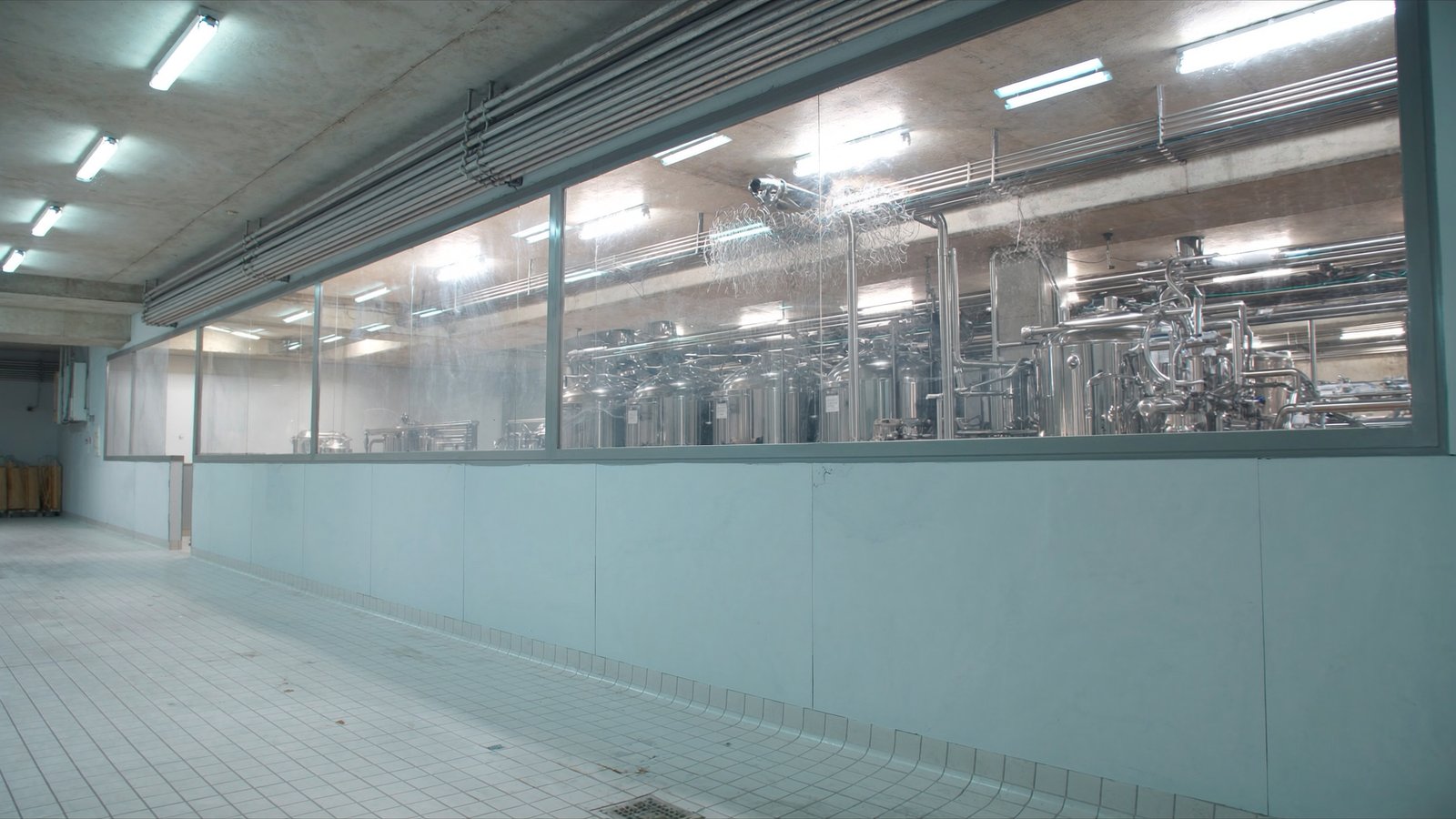
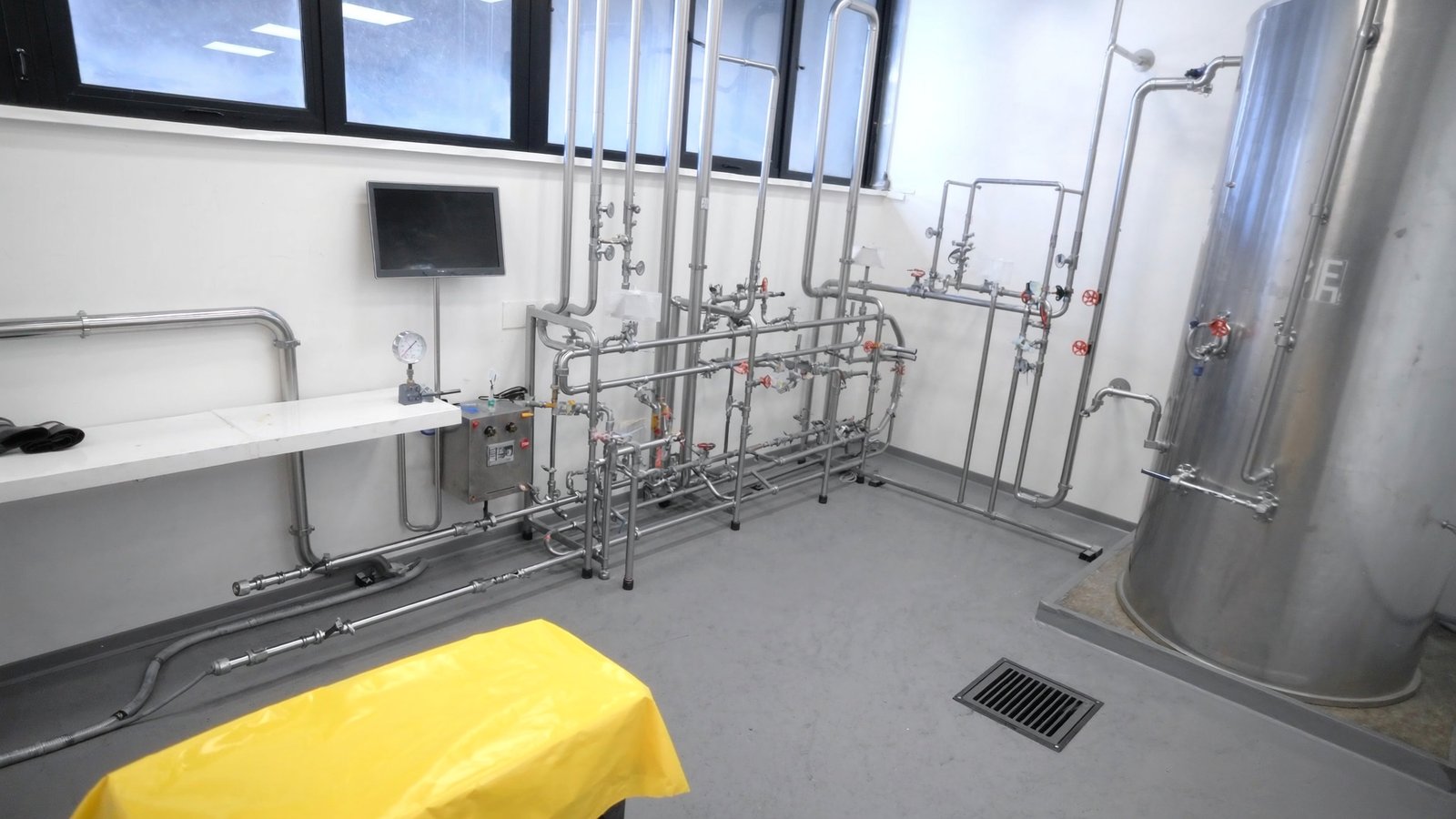
Tech Transfer and Scale-up under GMP
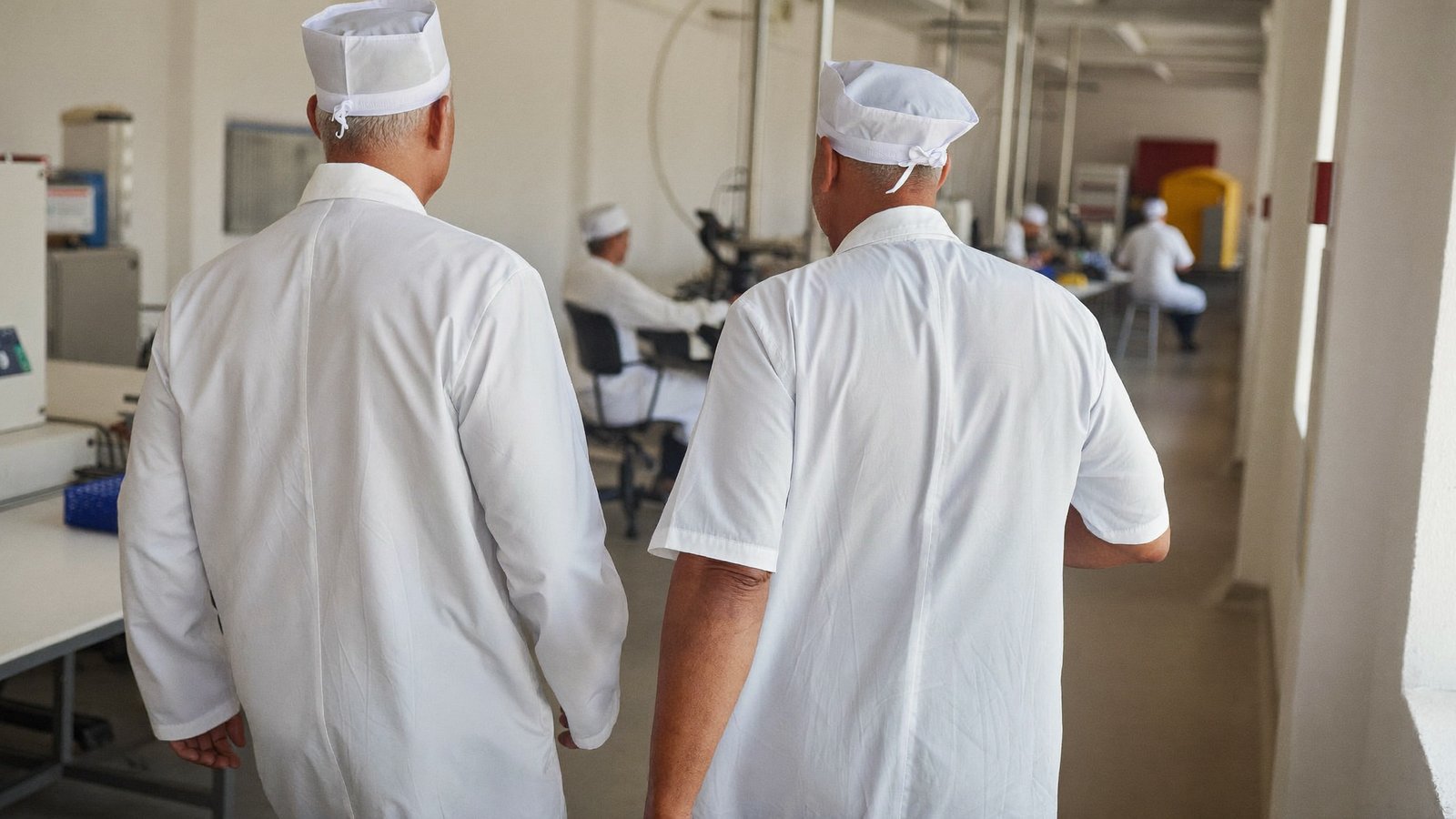
A process changes location: from development to production, from one site to the next, or from laboratory to commercial scale. What sounds simple is one of the highest-risk undertakings in the lifecycle of a medicinal product. Because a process that runs robustly at small scale often behaves differently at large scale, and under GMP this transition must be documented seamlessly.
What technology transfer means
Technology transfer is the documented handover of process knowledge and capabilities from a sending unit to a receiving unit. The WHO describes a structured framework for this in its guidelines, and ICH Q10 explicitly anchors the transfer as part of the product lifecycle. At its core lies one idea: it is not the result that is handed over, but the understanding of why the process works.
Sending and receiving unit
A transfer always has two sides. The sending unit holds the process knowledge, the receiving unit must take it over in a sustainable way. At the outset stands an honest gap analysis: where do facilities, equipment, automation and qualification status differ? What looks identical on paper rarely is in practice. A joint transfer team with clear roles prevents knowledge from being lost at the interface.
Scale changes the physics
In scale-up the chemistry does not change, but the physical boundary conditions do. Larger volumes mix differently, heat is added and removed more slowly, the surface-to-volume ratios shift, and hold and process times lengthen.
- Mixing and mass transfer do not scale linearly with volume.
- Heat transfer often becomes the limiting factor at large scale.
- Shear forces and residence times can alter sensitive products.
Anyone who does not understand these effects in advance discovers them in the first large-scale batch, at the most expensive moment imaginable.
Structure beats improvisation
A robust transfer follows a clear sequence: a gap analysis between the facilities, a transfer protocol with defined success criteria, characterisation of the critical process parameters, transfer of the analytical methods and finally the formal verification at the target site. Analytical comparability is easily underestimated here: a method that measures differently at the new site renders any process comparison worthless.
A technology transfer has succeeded when the receiving facility not only manufactures the product but understands the process.
GMP makes the difference
Under GMP it is not enough for the large-scale batch to meet the specification. The entire path to that point must be documented, justified and traceable, from risk assessment through equipment qualification to the concluding Process Performance Qualification. The critical quality attributes and process parameters from development form the common thread and connect the transfer seamlessly with process validation at the target site. The transfer does not end with the first good batch, but with the demonstration of reproducibility.
What counts in the end
Successful technology transfer is not a matter of luck, but the result of clean preparation and deep process understanding. Anyone who addresses the physical effects of scale-up early and structures the transfer in a GMP-compliant way saves time, money and nerves. Vispact supports such transfer and scale-up projects in operational plant engineering, close to the process and to the facility.
Abdel R. Majadi, founder and Engineering Lead of Vispact GmbH: more than ten years of experience in running GMP cleanroom operations, focused on qualification to Annex 15, CSV to GAMP 5 and data integrity to ALCOA+.
More about the teamFrom article to project
If a topic from this article is currently on your plant's agenda, we will discuss it concretely in an initial consultation.
30 minutes, no obligation. Reply within one working day, directly from engineering.